

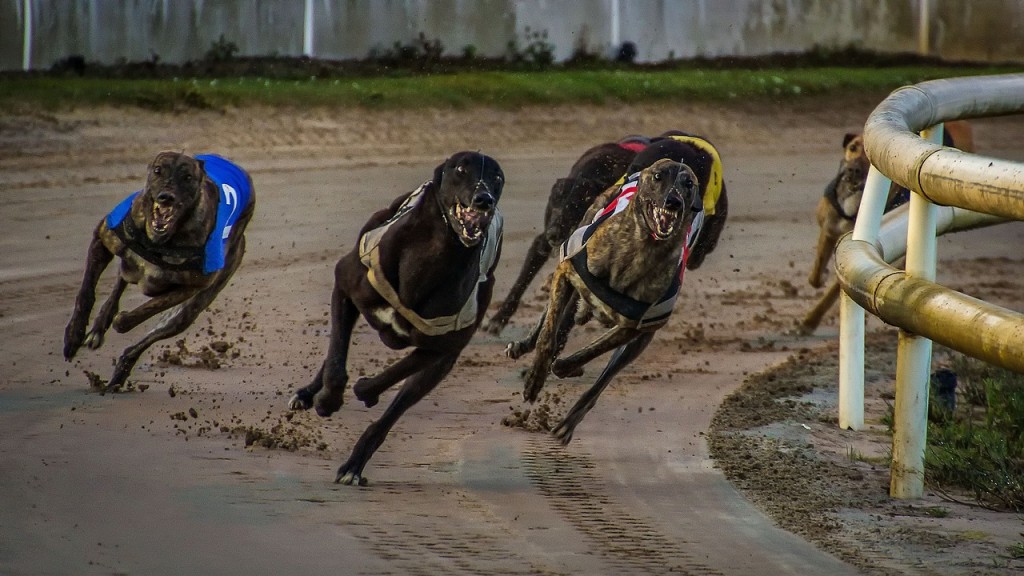
There’s no denying the fact that greyhound racing is as exciting and as a nerve-wracking sport like all other sports. In those 30 seconds more or less, you go through an emotional rollercoaster as you are eager to see which greyhound will finish the race at the number 1 spot. This level of excitement is taken to the next level if you decide to place bets on these races, which is what we are going to talk about in this article.
Up until recently, the only option to wager on greyhounds was land-based sportsbooks, however, in the past couple of years, online sportsbooks have managed to climb at the very top of the betting industry. Millions of players from every corner of the planet are keen to register at these sites to be provided with the best betting experience.
We are going to take a deeper look into this case as we are going to explain why you should bet on greyhound races online. Let’s start breaking down the details.
You Can Use Bonuses and Promotions
There’s no denying the fact that online sportsbooks have tons of advantages over regular brick-and-mortar facilities. One of those advantages is the fact that after you register at an online sportsbook, you will instantly become eligible to claim the featured bonuses and promotions.
Yes, that’s true. Every licensed and regulated betting site provides its registered punters with tons of promotions that can help them boost their rewards. Some of these promotions include welcome offers, reload bonuses, odds boost, enhanced odds, free bets and cashbacks.
Not only that, but a majority of these platforms have also incorporated loyalty programs in which they are rewarding high rollers and are thanking them for their continuous support. By being a member of a certain loyalty program, you will be offered special bonuses that can be applied to greyhound races, higher withdrawal limits, VIP customer support, exclusive offers, higher cashbacks, faster withdrawals, and so on.
Easy Access and 24/7 Availability
Considering the fact that betting sites operate online, they can be accessed at any time and place, just as long as you stay connected to the Internet. Thanks to the fact that most online sportsbooks are powered by the latest HTML5 technology, you can bet on greyhound races on both your mobile and desktop devices.
Some sportsbooks went a step further and developed special apps to better the mobile gaming experience. One piece of advice that we can give you here is to check whether your chosen sportsbook features special mobile bonuses.
Some operators are known to provide registered punters with exclusive bonuses as a way to boost mobile traffic.
Not only that but there’s one additional advantage that comes from the fact that betting sites operate online – their services are available 24/7.
Impeccable Security
Even though betting sites started breaking through on the market in 2015, the reality is that they have been present for a while. An interesting fact is that the first gambling software was created in 1994. But at the time, people were still not convinced of the security of these sites, which is why they weren’t too fond of registering.
All of that has changed now. It is safe to say that online sportsbooks utilize the most effective security systems on the market. In other words, they use the latest SSL encryption software which is an AI system that encrypts data that is transferred between players and the sportsbook itself. Hence, it makes sure that your sensitive information does not fall in the wrong hands and can provide you with the safest greyhound betting experience.
Huge Market Coverage
The greyhound racing market is vast and there are countless races that you can bet on. When it comes to market coverage, online sportsbooks have a lot more to offer than land-based sportsbooks. Not only that, but the number of betting options is greater and the odds are better.
Thanks to these features, you will be provided with massive betting flexibility and that will improve your overall betting experience.
Numerous Accepted Payment Methods
Of course, when you are placing real money bets on greyhound races you will have to deposit funds to your account. Moreover, if you win a ticket, it is logical that you will want to withdraw your winnings. Online sportsbooks offer massive flexibility in this area as well due to the fact that they feature tons of payment methods.
You can deposit and withdraw money using VISA, MasterCard, Skrill, Neteller, PayPal, Klarna, Neosurf, Boku, Paysafecard, and so on. In the recent period, many betting sites even started accepting cryptocurrencies as they are optimized for online use and offer tons of advantages.
Thanks to the SSL encryption software that we previously mentioned, you can rest assured knowing that your security while depositing or withdrawing money will always be at the highest level.
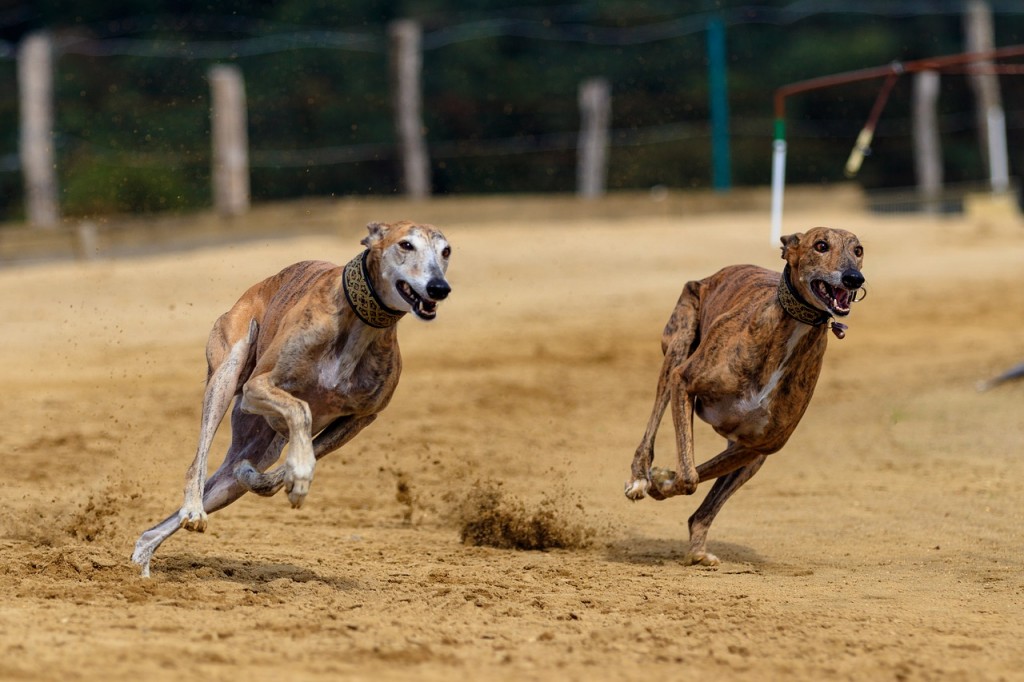
 Every bettor sometimes needs to change his betting strategy, or to change the sport he is betting on. Most of the people keep on betting on football matches, even though they lose! So, let me introduce you the sport, in which, if you are following concrete rules, you will hardly lose your money! Just the opposite – you are going to make a big profit!
 I know, I know – this kind of article is very unlike what this blog is about, but hear me out here! I believe that all of us here, me and you, the readers, love dogs, right? Why else would we be so invested in dog racing and not, say, horse racing or F1? That’s why I figured that it’d be okay to write something a little bit different which would appeal to you, guys. The idea I came up with was a list of my own, personal, most favourite movies about dogs in the world! Keep in mind – for a movie to qualify on this list, it must be primarily about a dog (so something like “I Am Legend” won’t count), and I obviously must have seen it – while a lot of people have recommended me “Hachi” or “Eight Heroes”, I haven’t actually seen those, so I’m afraid they won’t be making the list (but they might make it onto a future one, if I see them and like them). In any case, let’s get down to business!
 Racing of Greyhounds isn’t as popular as it once was in United Kingdom, with annual attendances down to around the 2m mark from a high of over 34m in the late 1940’s. Saying that, there is still a massive £2.5billion gambled every year on them which makes you think, doesn’t it?
 Greyhound Racing continues to be a growing business but I bet not many of you know everything about this sport. In this article, I’ve tried to cover all the major topics that might be interesting to those of you who like this type of racing and want to know more about the breed, the history and the racing.
 Did you know that greyhound racing dates back to Egypt, where royalty were the owners of this special breed? Later on, the Romans were the ones who introduced this special dog race to Britain. The first recorded attempt at greyhound racing was back in 1876 in Hendon, England. The race was a complete fiasco, especially as a real hare was used for bait which provoked the animal defenders.